


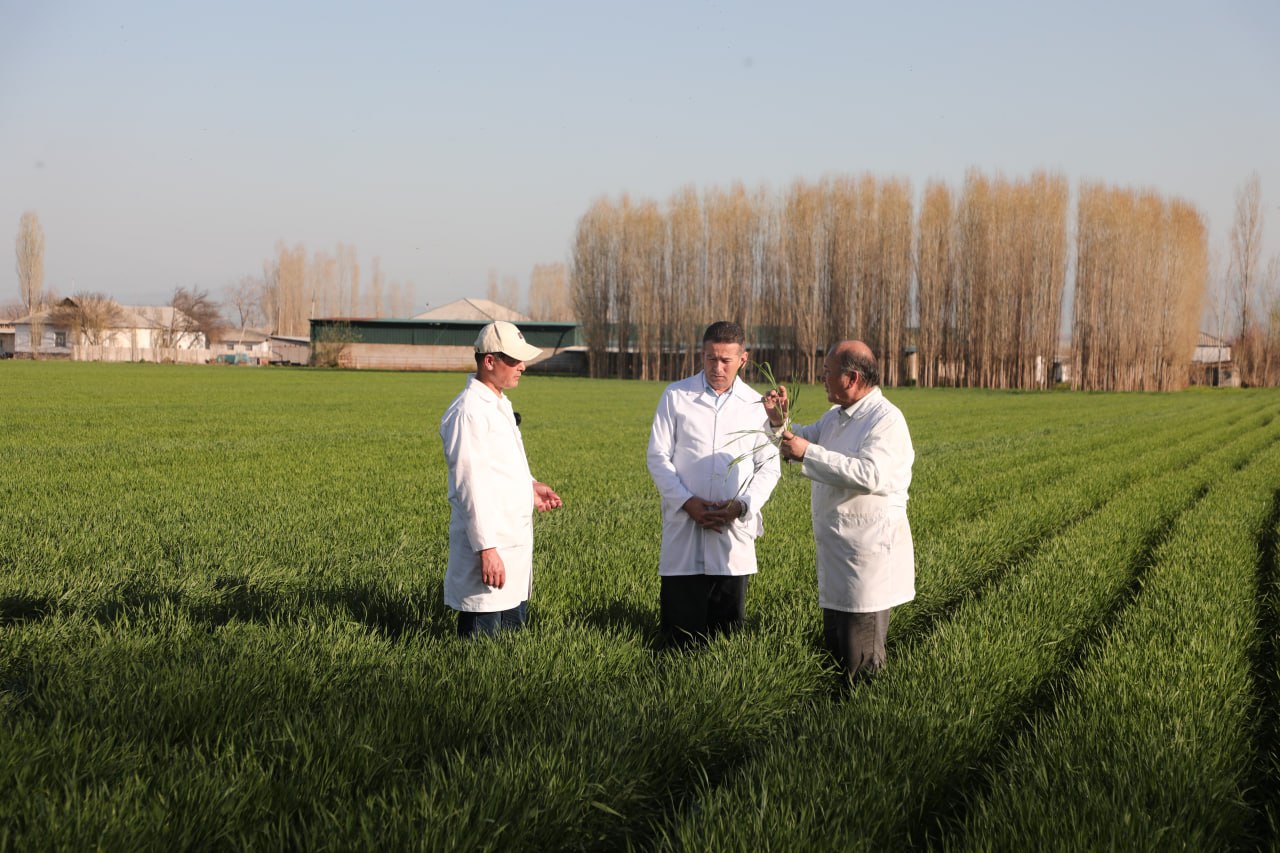
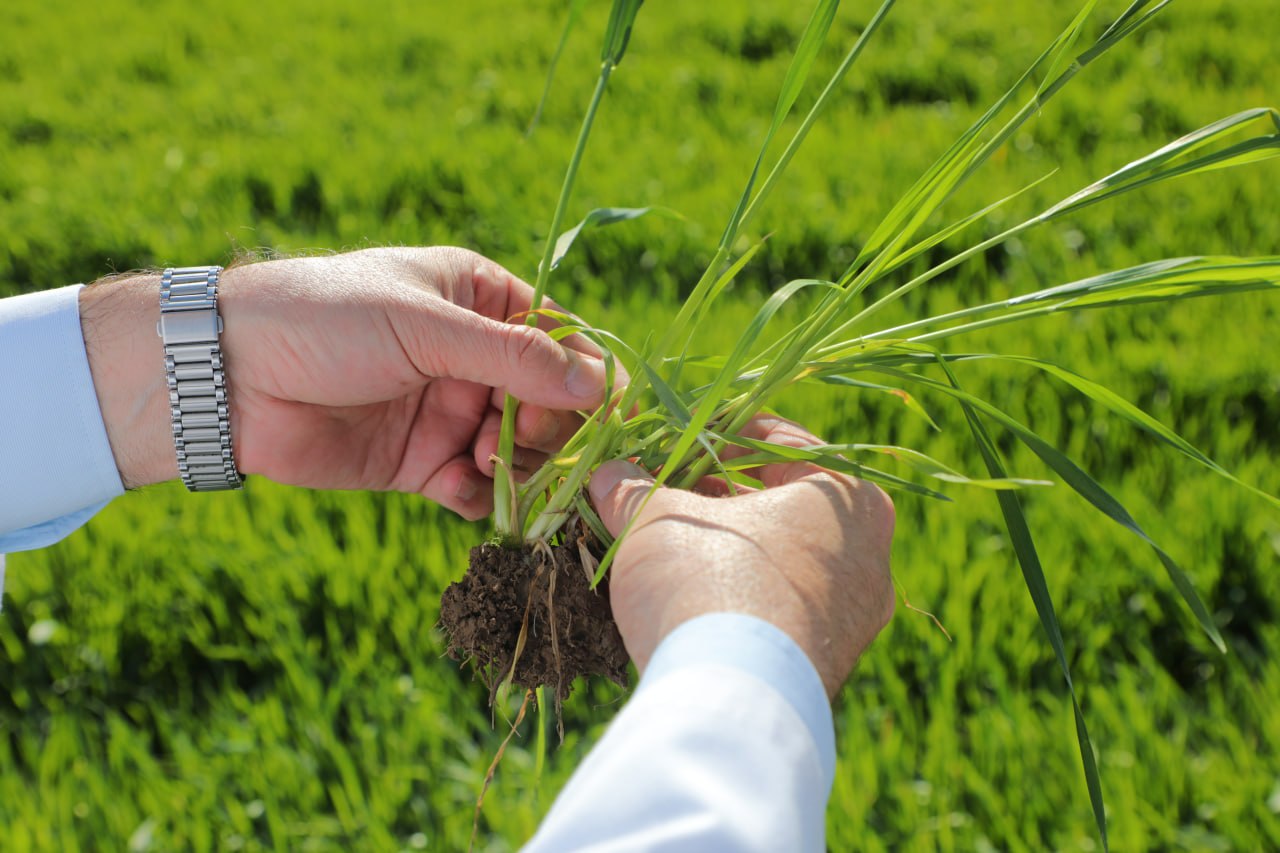
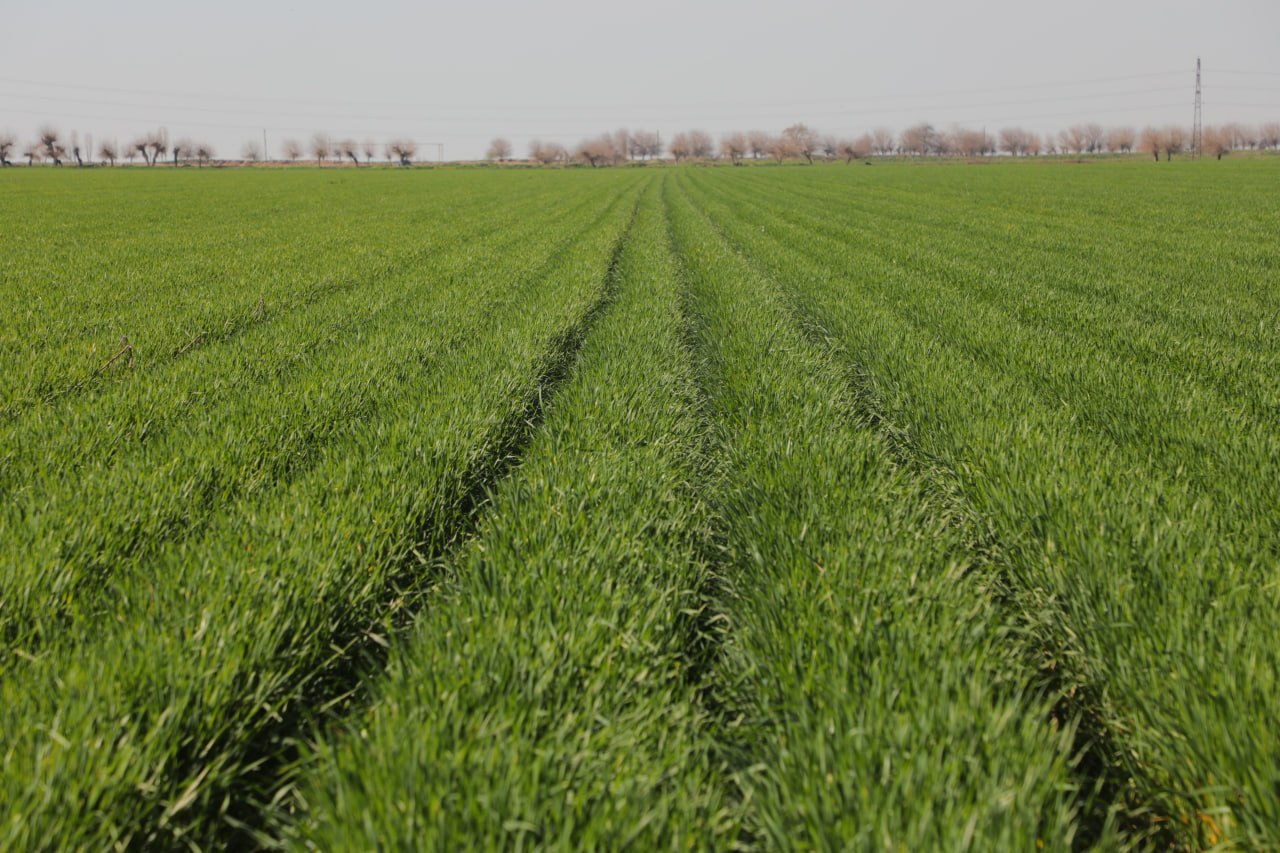
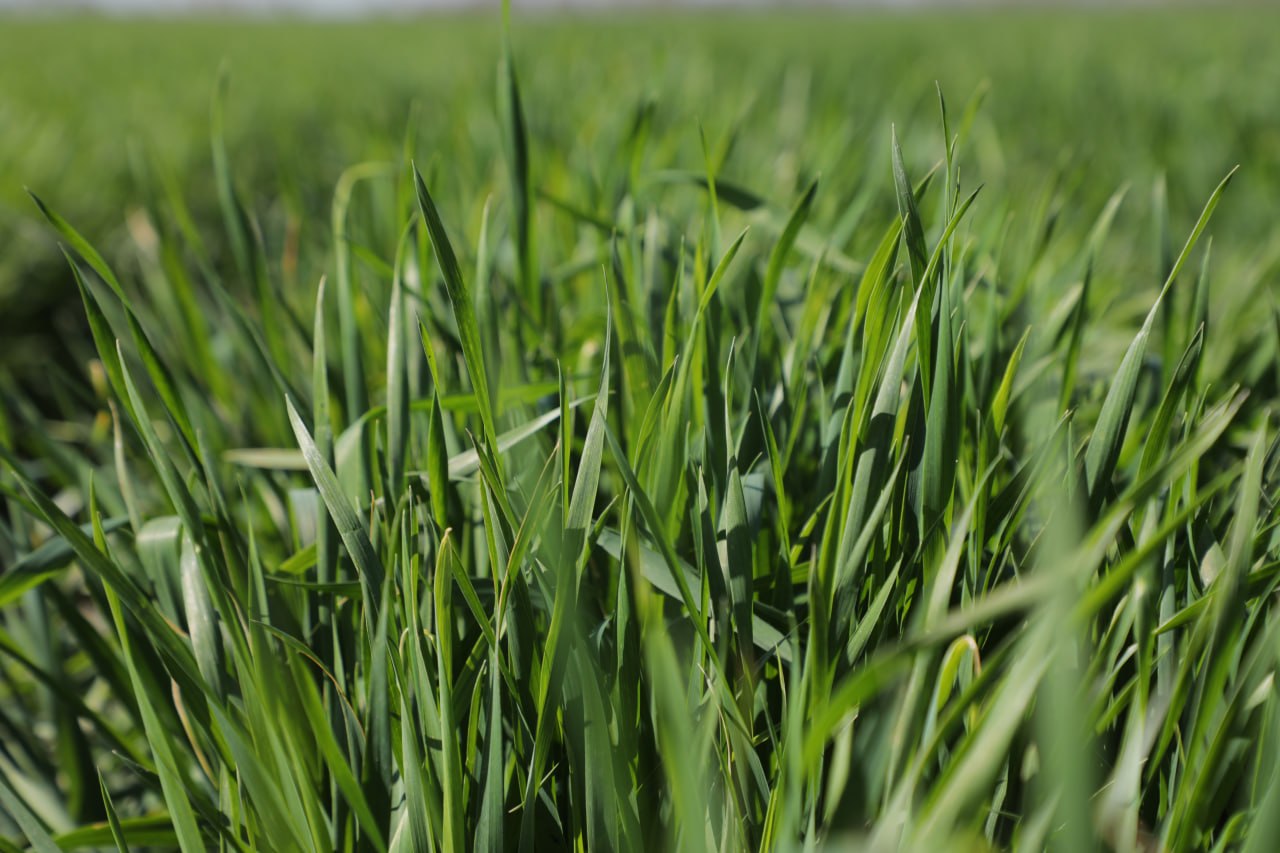
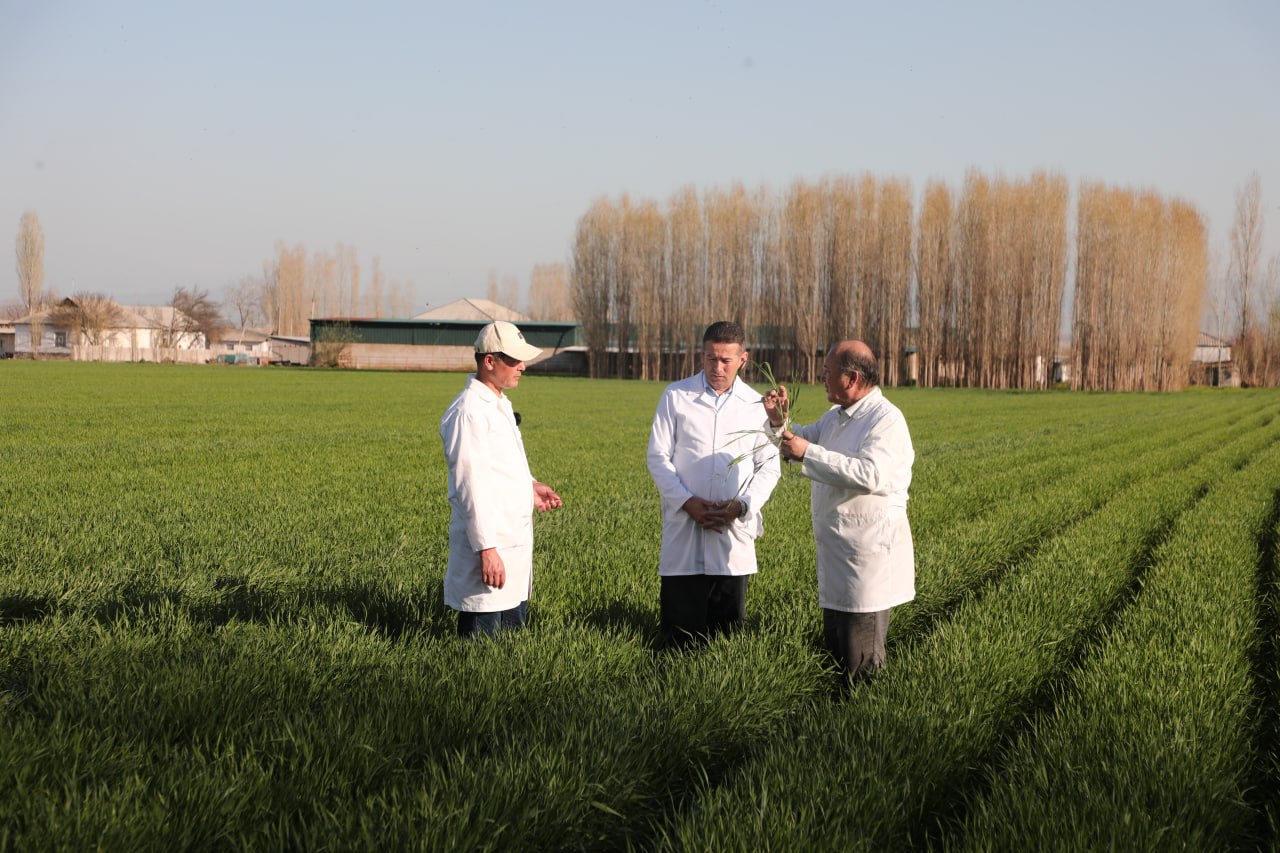
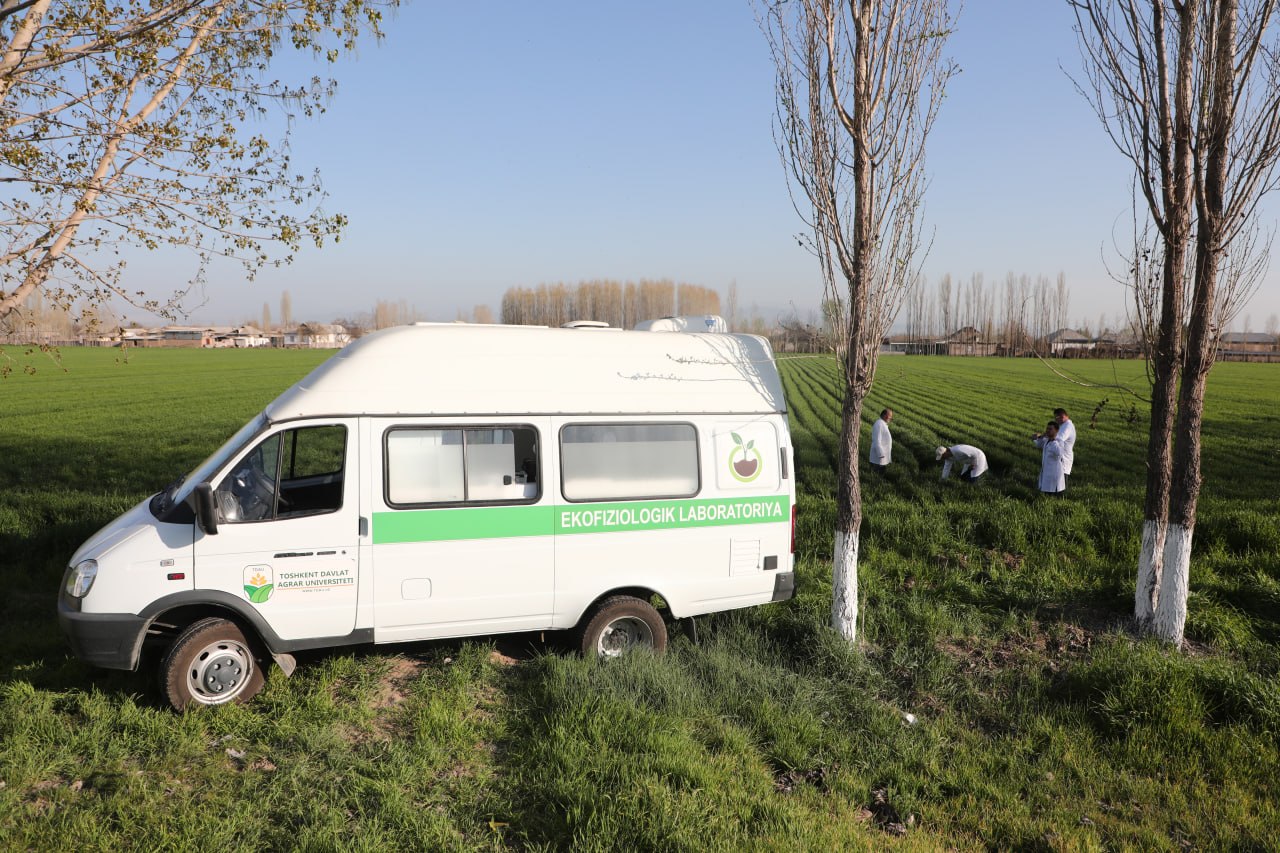
Professor Bakhrom Azizov from the Department of Plant Science at Tashkent State Agrarian University shared his expert guidance on vital agrotechnical measures for grain production during March and April—the months that determine the fate of the harvest. Currently, grain crops have moved past the tillering stage, with 4 nodes already formed on the plants. In two weeks, 6 nodes will be established, and the heading stage will commence. During this period, primary focus must be placed on fully meeting the plants' nutritional and moisture requirements.
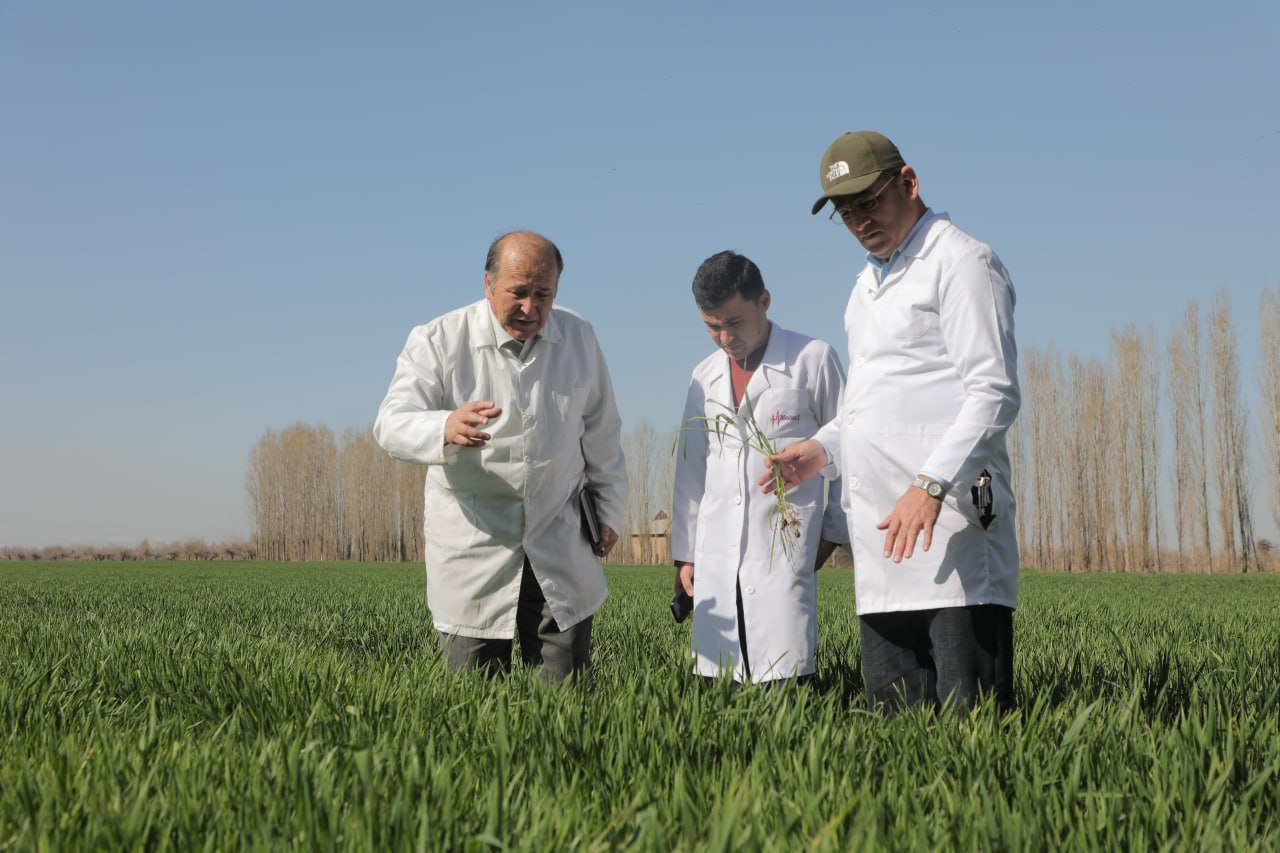

Irrigation and Water Balance:
To achieve a high yield, plants require an average of 6,000 m³ of water throughout the growing season. If precipitation provides 2,000 m³ (200 mm), at least 3–4 irrigation cycles must be conducted to cover the remaining 4,000 m³ deficit.
Effective Fertilization Methods:
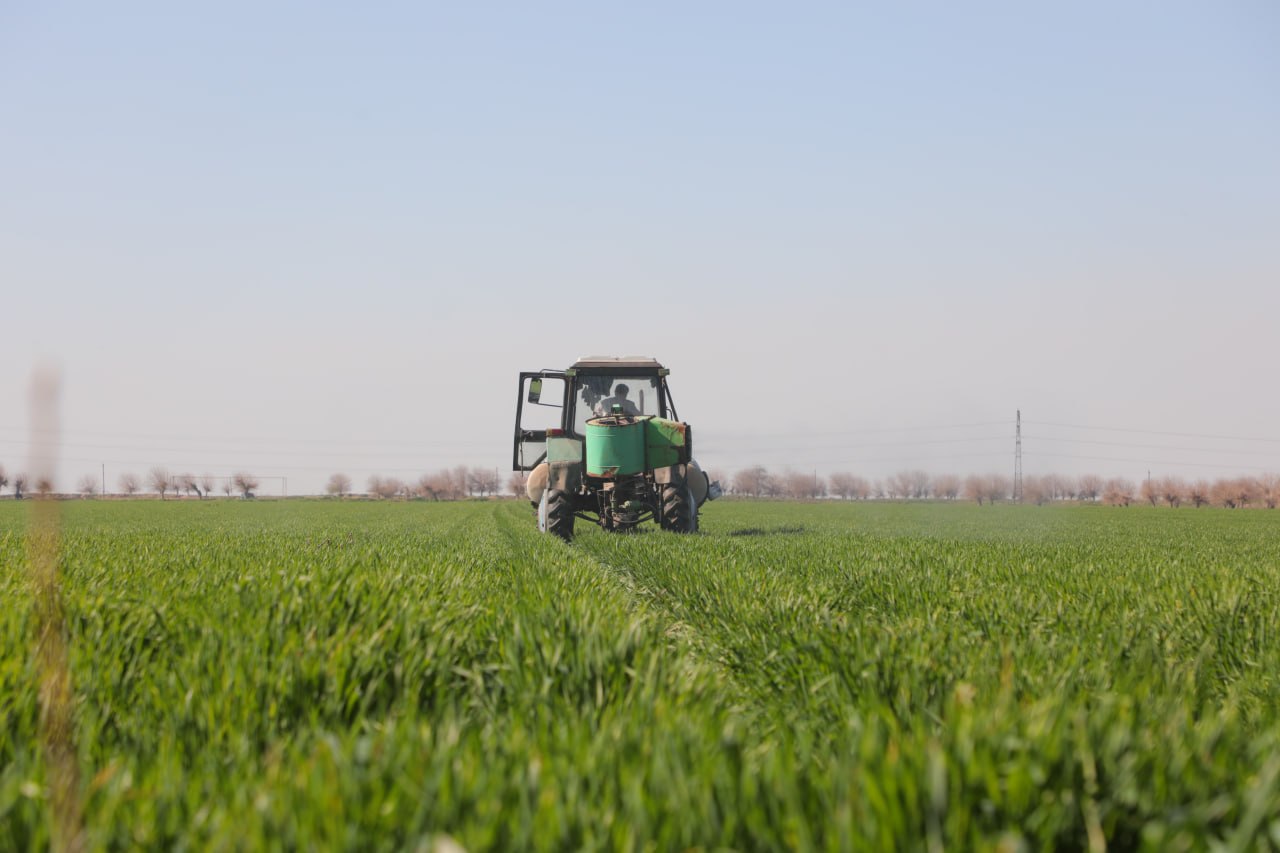
In addition to soil-applied fertilizers, foliar feeding (in suspension form) ensures high nutrient absorption. Furthermore, the use of biostimulants and innovative technologies significantly boosts productivity.
Combatting Diseases and Stress Factors
The main factors negatively impacting the yield include:
Inadequate pollination and unfavorable weather;
Fungal diseases such as rust;
Pests and extreme temperature fluctuations.
How to Protect the Harvest?
Timely fertilization, adequate irrigation, and systematic disease control to maintain plant density and increase the number of spikes are the keys to a high yield. It is recommended to carry out agrotechnical activities without delay, taking local microclimate conditions into account.
Bakhrom Azizov, Professor of the Department of Plant Science
Social networks: