





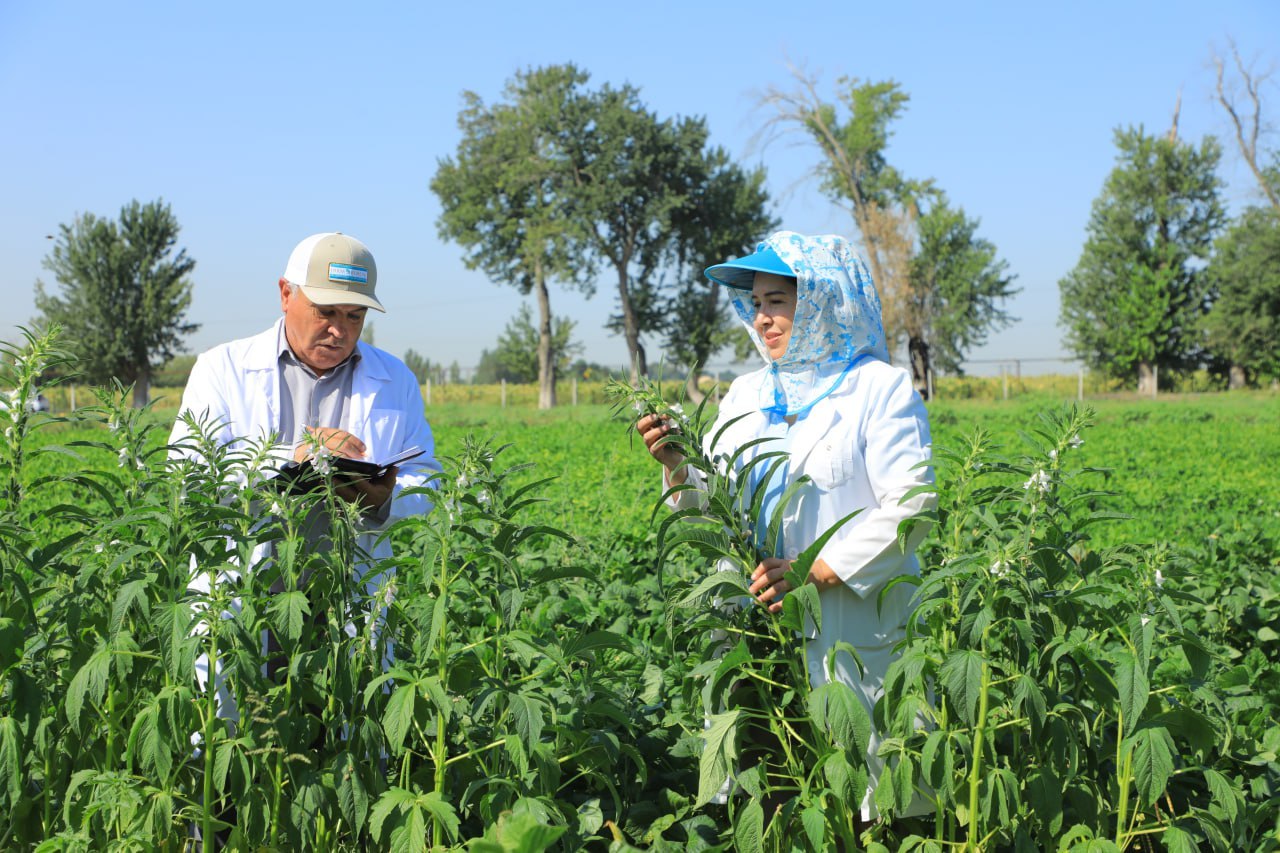
The challenging soil and climatic conditions of the Republic of Karakalpakstan, water scarcity, and the need to increase agricultural crop yields make the introduction of new resource-efficient technologies essential for the agricultural sector. Professor Makhfirat Amonova of Tashkent State Agrarian University, in collaboration with the International Innovation Center of the Aral Sea Region, is conducting scientific research aimed at developing water-scarcity-resistant sesame varieties with non-shattering seed capsules suitable for mechanical harvesting, as well as improving their cultivation technologies.
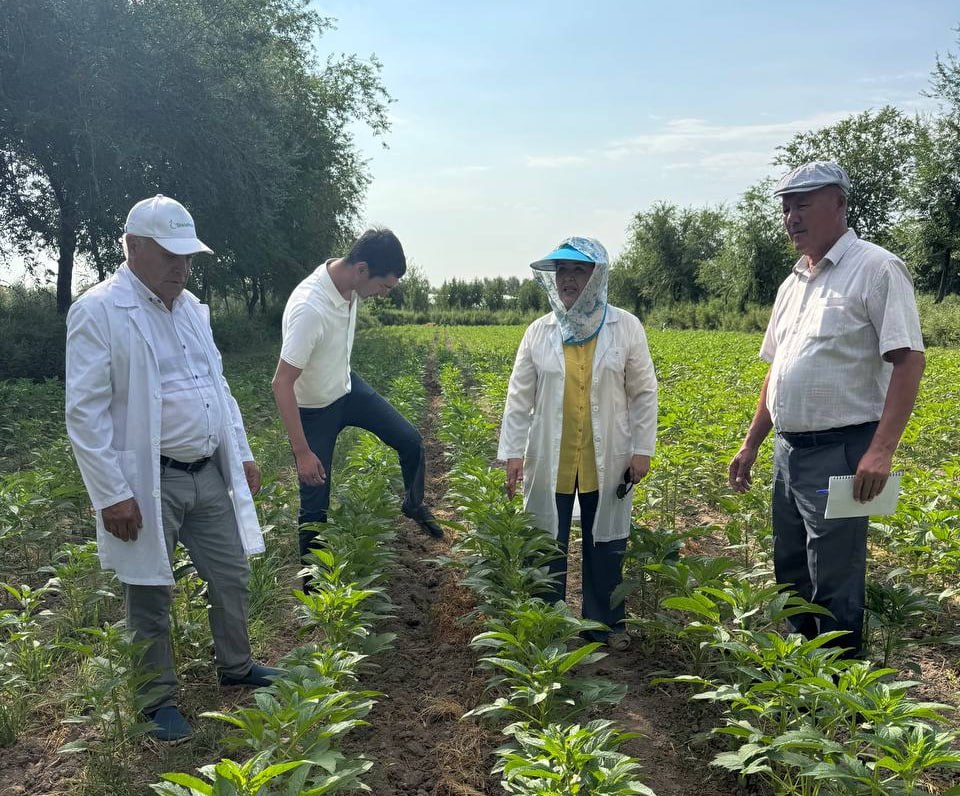
Over the past several years, under the leadership of Professor Makhfirat Amonova, more than 100 sesame accessions collected from 27 countries around the world have been studied under the soil and climatic conditions of Karakalpakstan. As a result of the breeding activities, promising genetic resources were identified, and plants with non-shattering capsules were selected through individual plant selection.
This year, the seeds of these accessions were multiplied at the International Innovation Center of the Aral Sea Region. For the first time in the Republic, a sesame crop was successfully harvested using a combine harvester. This achievement provides an important scientific and practical foundation for reducing crop losses in sesame production and mechanizing harvesting operations.
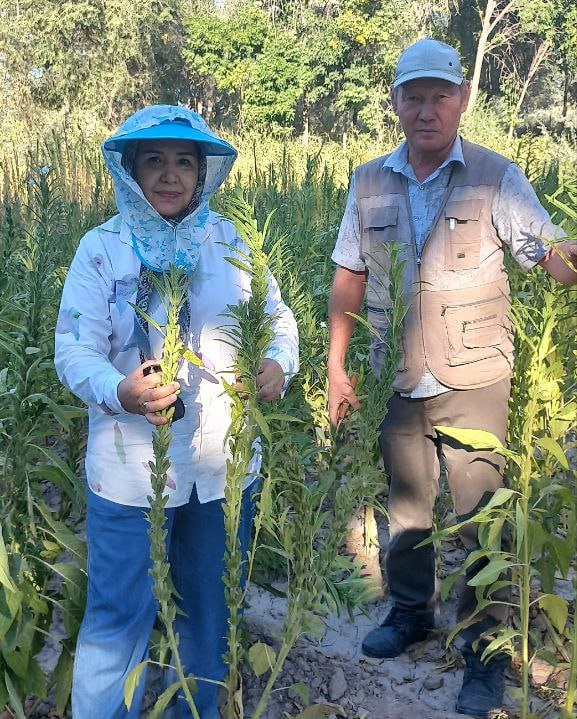
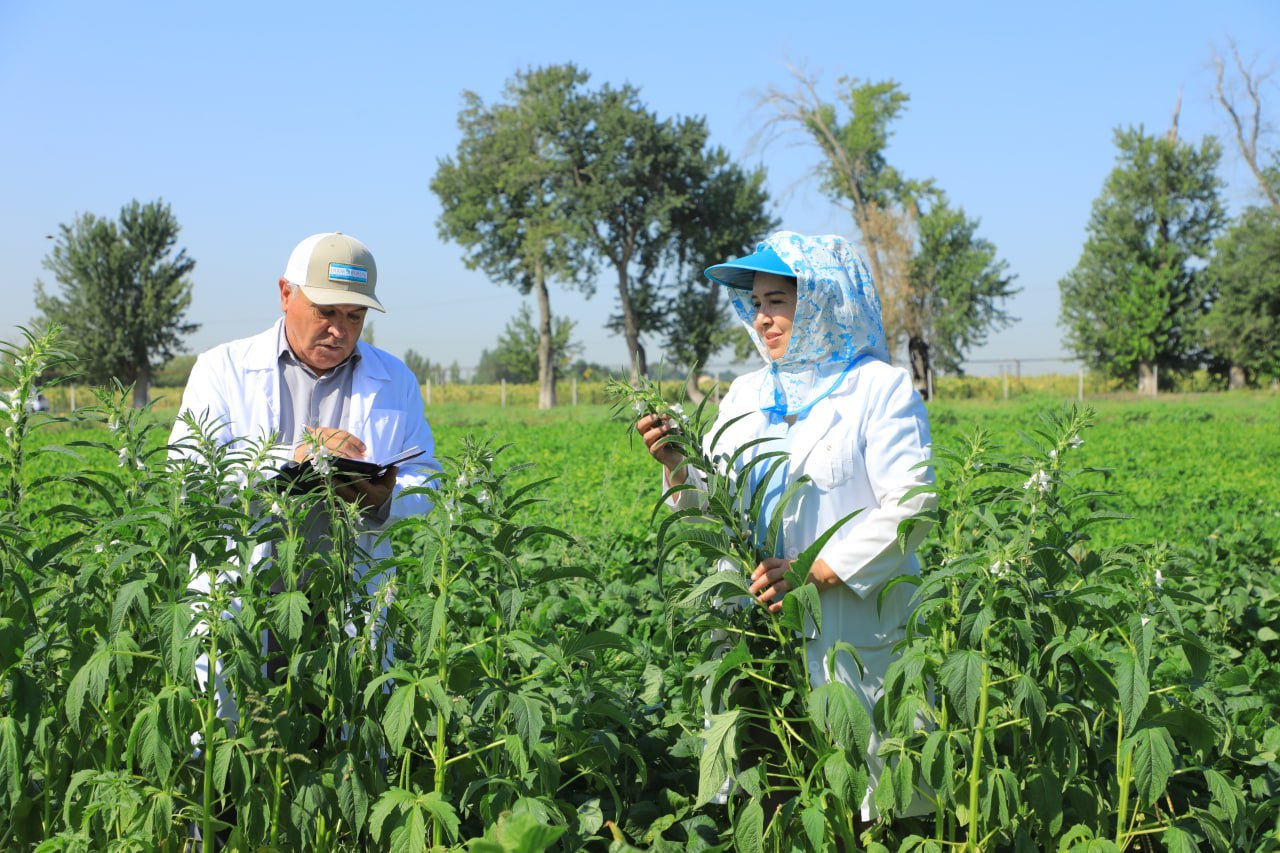
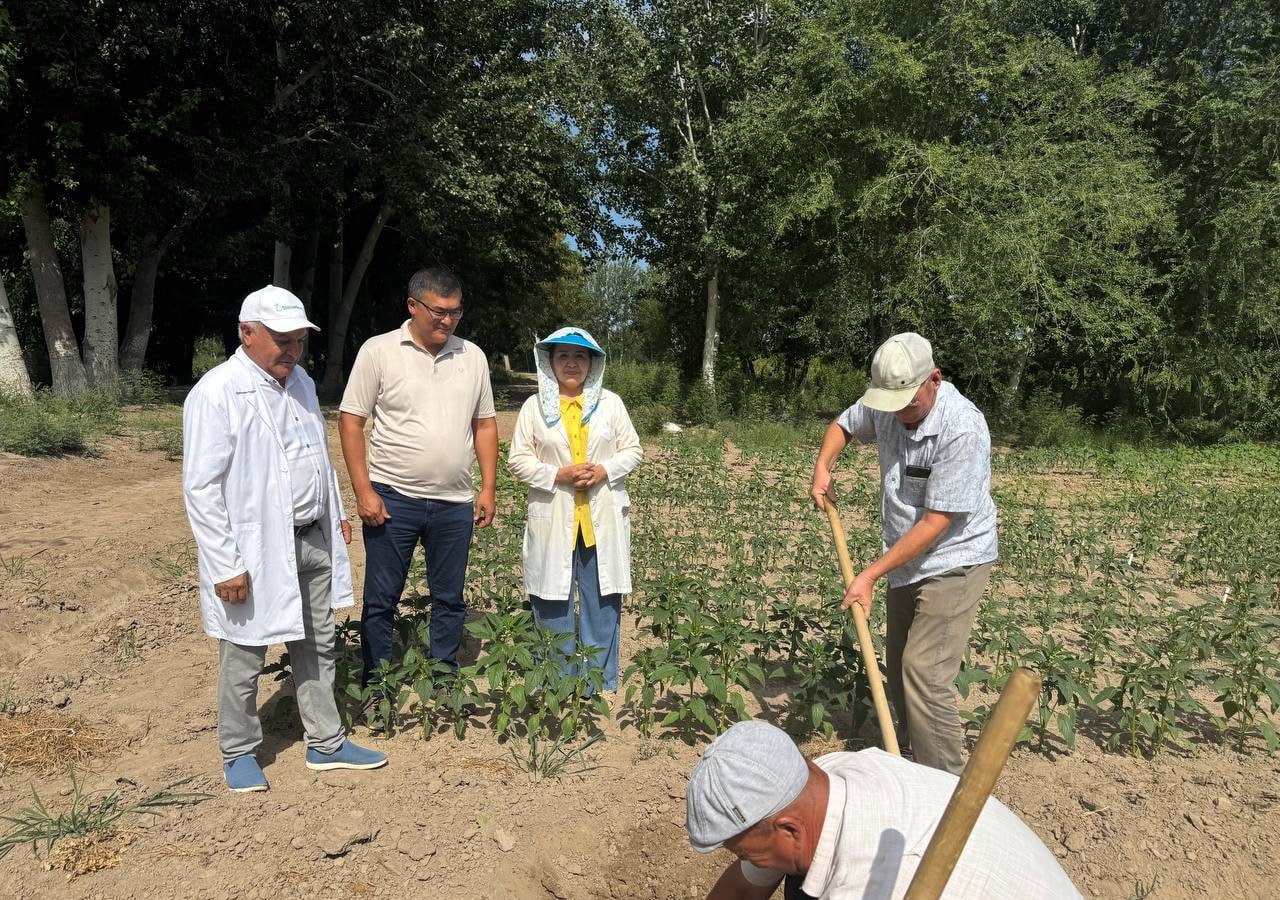
The introduction of non-shattering sesame varieties into agricultural production can reduce crop losses by 20–25%. Improving cultivation technologies and using mechanized harvesting can reduce manual labor requirements by 40–50% while lowering production costs. In particular, reducing labor requirements during sesame harvesting and minimizing losses caused by seed capsule shattering are crucial for improving the economic efficiency of farming enterprises.
These scientific studies open up significant opportunities to bring agricultural land in the Republic of Karakalpakstan and Khorezm Region, currently left unused due to water scarcity, back into productive use, expand sesame cultivation areas, and create new jobs.
Furthermore, these developments will contribute to increasing the production of export-oriented sesame products, raising farmers' incomes, and strengthening the country's export potential in the international agricultural market. By bringing scientific achievements into practical application, promoting the rational use of water resources, and improving the efficiency of agricultural production, this research makes a valuable contribution to the sustainable development of Uzbekistan's agriculture.
Social networks:


