


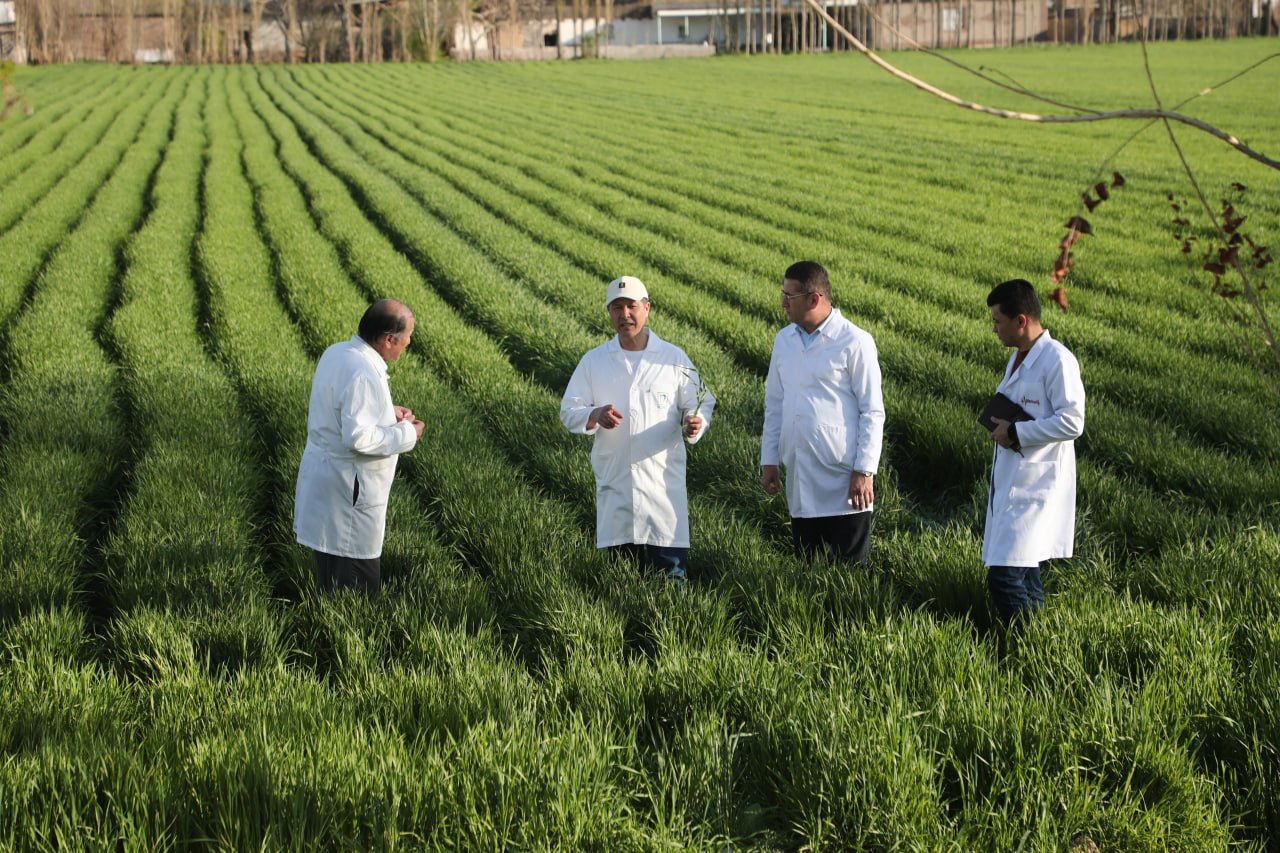
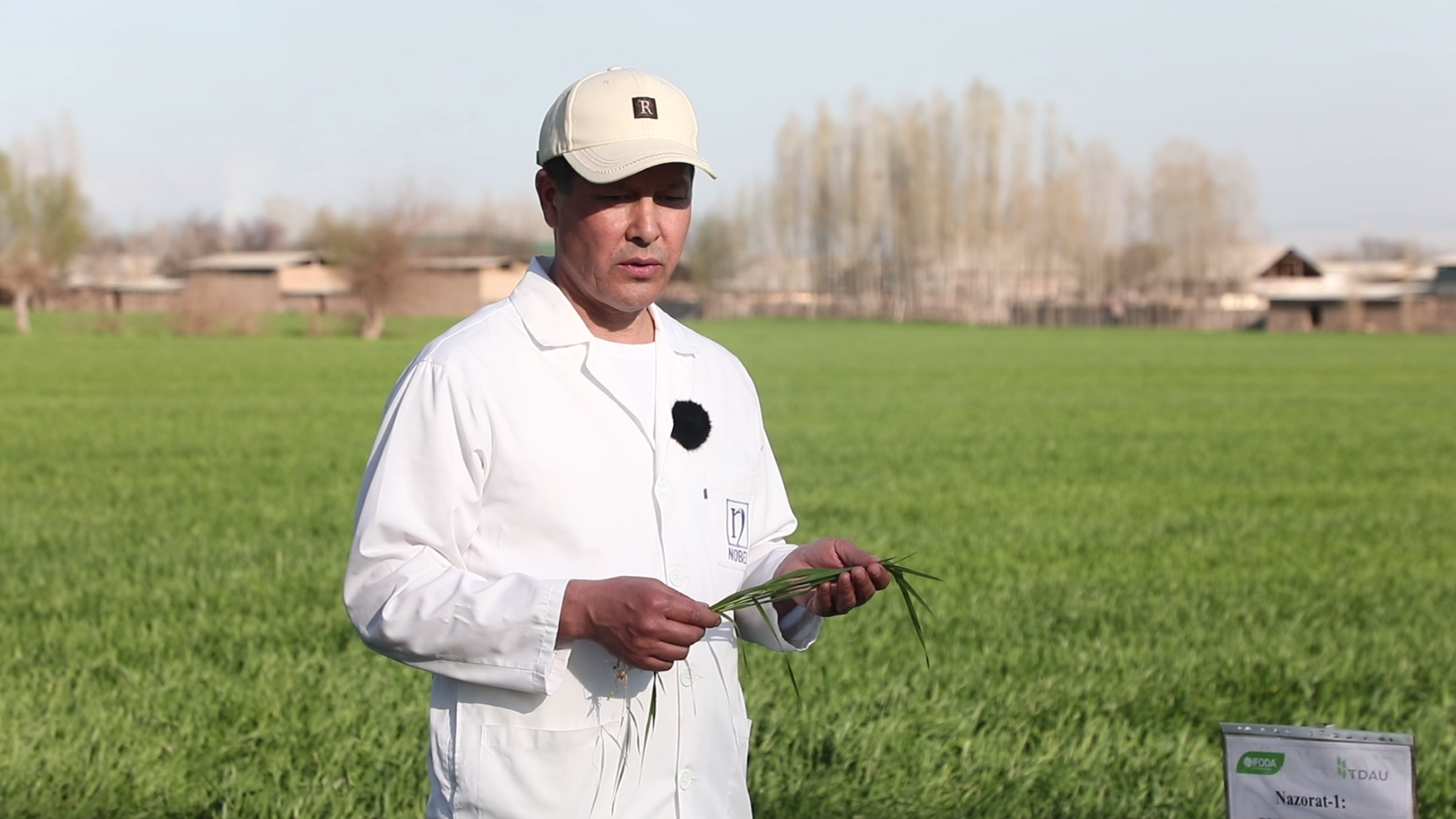
Rikhsivoy Gulmurodov, Professor of the "Phytopathology" Department at the Tashkent State Agrarian University, shared his recommendations on control measures against diseases currently occurring in grain fields.
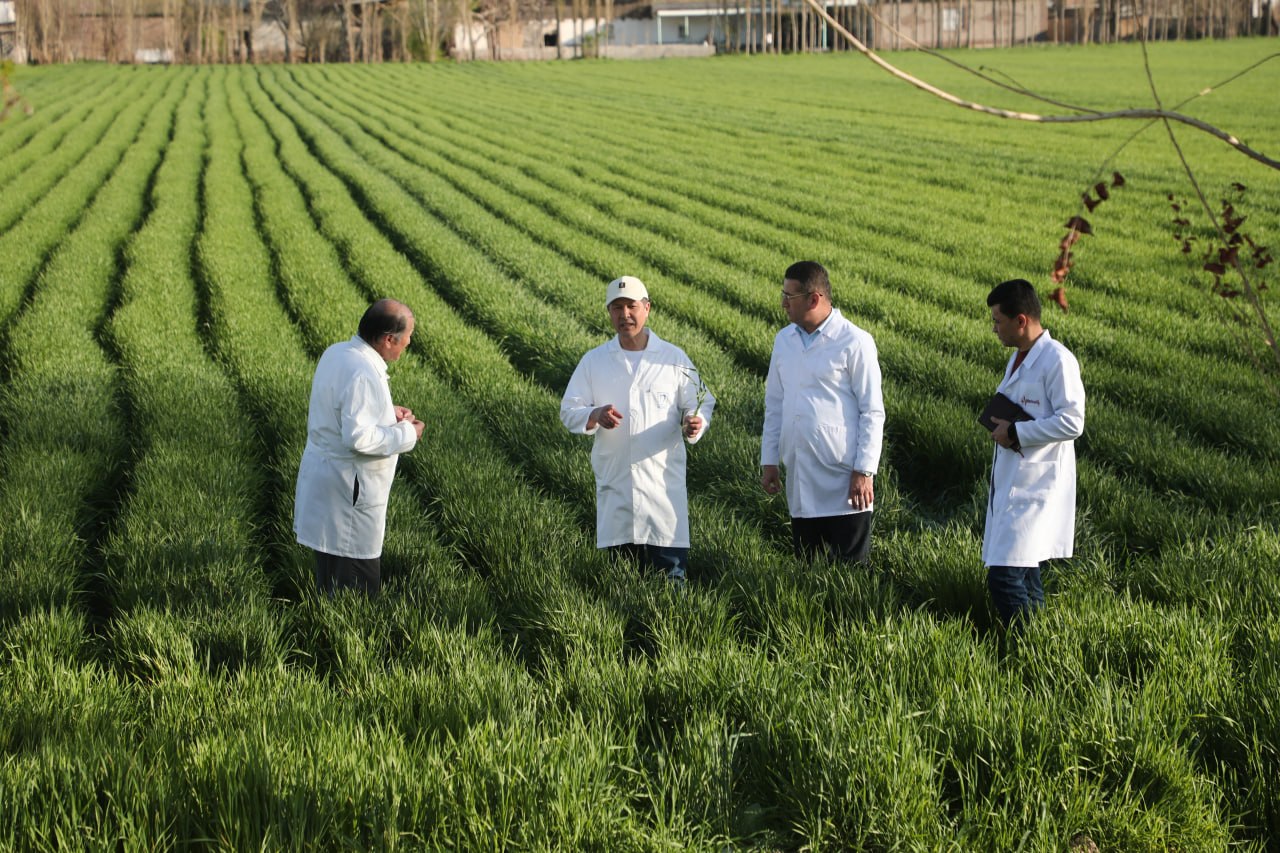
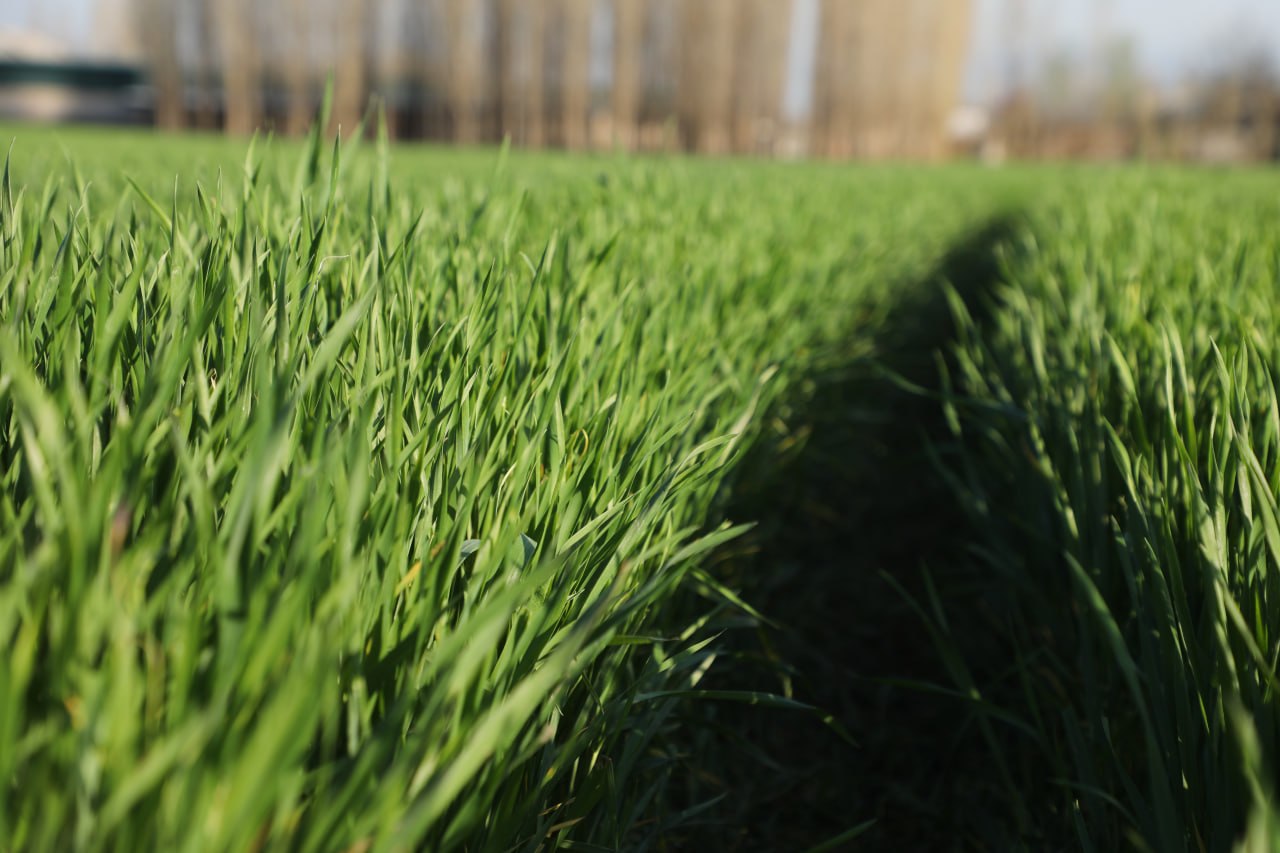
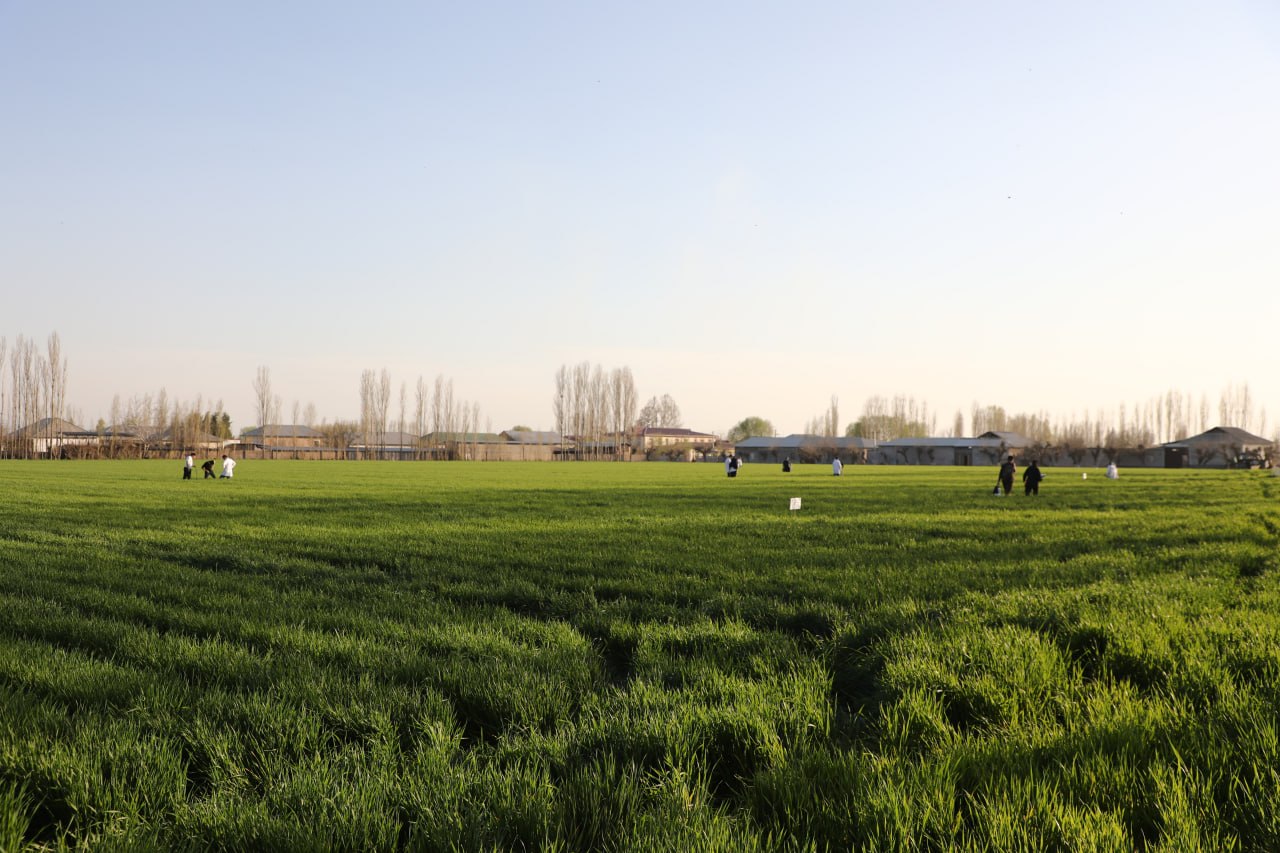
Rust disease – the primary threat!
The current wet and rainy weather creates favorable conditions for the spread of yellow rust. If control measures are not taken in time, this disease can cause up to 30–40% crop loss. By April, the risk of brown rust increases.
How to distinguish the disease?
Many mistake general leaf yellowing for rust; however:
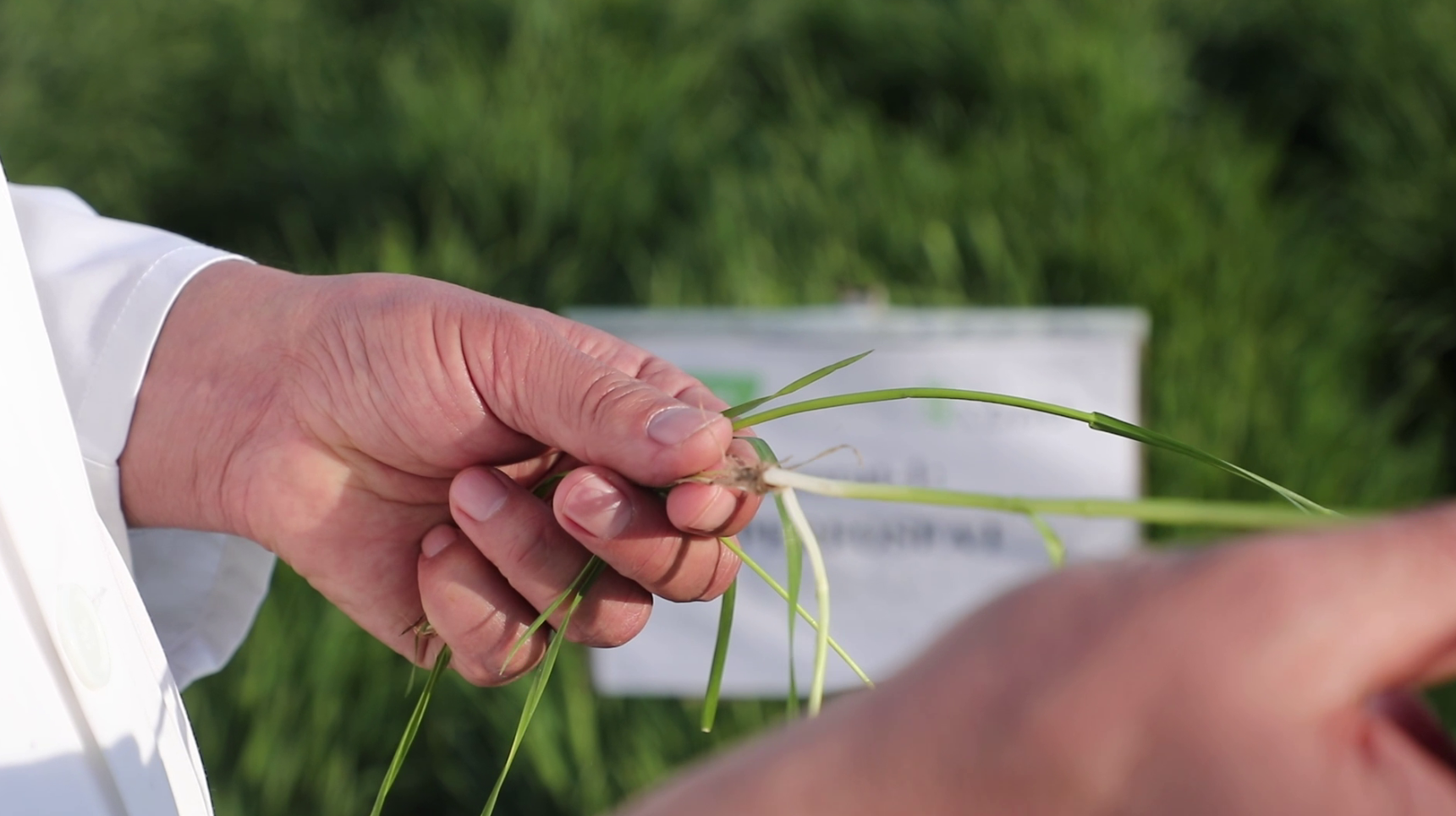
Yellow rust: Yellow "pustules" (urediniospores) appear on the leaf surface, leaving a yellowish dust on the hands when touched.
Natural state: The aging of lower leaves or the yellowing of the top 7–8 cm of leaves due to recent severe frosts is not a symptom of an infectious disease.
Fungicide treatment procedure
Prevention: At least one preventive fungicide application is mandatory in irrigated areas.
In case of rain: Fungicides cannot protect the plant for more than 10–12 days. Therefore, after 14–15 days, a second treatment should be carried out using a fungicide with a different active ingredient (triazole group, etc.).
In dry and hot weather: If the temperature exceeds 26 degrees and the weather is dry, a single fungicide application can protect the plant for up to 30 days.
Protecting the leaf – the guarantee of harvest:
The "flag leaf" (the topmost leaf) plays a decisive role in grain filling. In cool years, this leaf can be damaged by the cereal leaf beetle (pyavitsa). If the flag leaf is damaged by pests or infected with rust, the grains in the ear will become shriveled.
In conclusion: Constant monitoring of grain fields and repeated treatment based on humidity and temperature changes are the key guarantees for achieving a high yield.
Rikhsivoy Gulmurodov, Professor of the "Phytopathology" Department
Social networks: