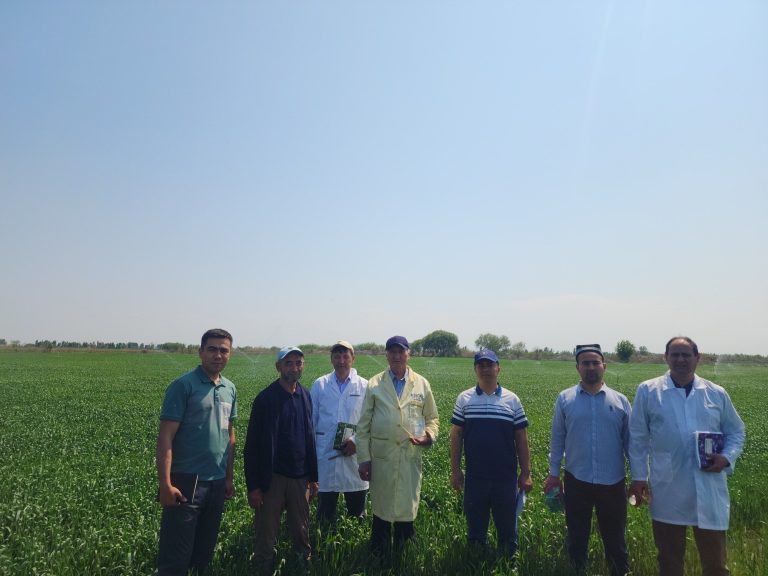



In agricultural practices, one of the environmental protection measures is the use of green manure. This contributes to achieving sustainability by maintaining production volume and meeting food demand. In search of effective and sustainable farming methods, today’s farmers face many challenges, one of which is maintaining soil fertility without using chemical inputs. The most optimal solution is the use of green manure crops, also known as cover crops or siderates. It has been found that the positive impact of this method on soil is long-lasting. It is a valuable technique for farmers who aim to reduce harmful chemical use in their fields.
What is green manure and how is it prepared?
Green manure refers to crops that are grown while still green and actively growing, and then plowed or incorporated into the soil. The aim is to enhance the fertility, structure, and nutrient content of the soil. Once incorporated, these crops decompose and release nutrients like nitrogen, phosphorus, and potassium, which were absorbed during growth. These nutrients are then transferred to other plants, thereby improving soil health and fertility. Additionally, green manure helps increase the organic matter content in the soil, which enhances soil structure, water retention, and aeration.
Common green manure crops include legumes such as serradella, vetch, and alfalfa, and non-legumes like rye, oats, and barley. However, the choice depends on the specific soil conditions and future planting needs.
How do green manure cover crops improve soil fertility?
These crops are highly beneficial for both the soil and future crops. They are grown not for harvesting or livestock feed but for the benefits they offer. They are widely used for soil rejuvenation, weed suppression, and as a source of nutrients and organic matter.
Rather than harvesting them or using them for feed, it is better to allow these crops to decompose in the soil. They are integrated and turned into the soil, providing great benefits at low cost.
Besides feeding the soil itself, green manure supports soil organisms, which in turn enhances soil fertility. A genetically fertile soil produces healthy plants that are more resistant to pests and diseases. Furthermore, healthy soil is more drought-resistant.
Growing green manure creates a nutrient-rich and favorable environment for soil microbes. These microbes convert the nutrients in green manure into forms that are more accessible to crops.
They help restore soil life and convert unavailable nutrients into accessible ones, thereby improving the biological activity and overall condition of the soil.
How Do Green Manure Cover Crops Work?
The main purpose of using green manure cover crops is to prepare the soil for the next planting season. These crops absorb and store nutrients from the soil. At harvest time, they are not removed from the field, because doing so would remove those stored nutrients. When they are returned to the soil, the plants slowly decompose and release additional nutrients for the next crops. At the same time, they serve as a food source for countless soil microbes and organisms. Their activity, fueled by organic matter, helps develop a well-structured soil profile. These crops should be buried in the soil before they reach full maturity. This allows them to break down more quickly and easily, as their plant tissues have not yet become tough. It also prevents unwanted seed germination, which could interfere with the growth of the main crops. It is not advisable to bury them too deeply. The best method is to incorporate them into the soil at a depth of no more than 15 cm, because microbes are most active in the topsoil layer, which enhances the decomposition process.
It is not recommended to use these crops as the main crop, especially if they belong to the same species. The goal is to plant different types of crops, since crops of the same kind tend to use the same nutrients and are susceptible to the same pests and diseases. After incorporating green manure into the soil, it is advisable to let the field rest for about 20 days. This allows proper decomposition of the organic material and creates ideal conditions for planting the next crop.
Author: Associate Professor of the Department of Agrochemistry and Soil Science, Gulchekhra Sattorovna Sodiqova
Social networks: