





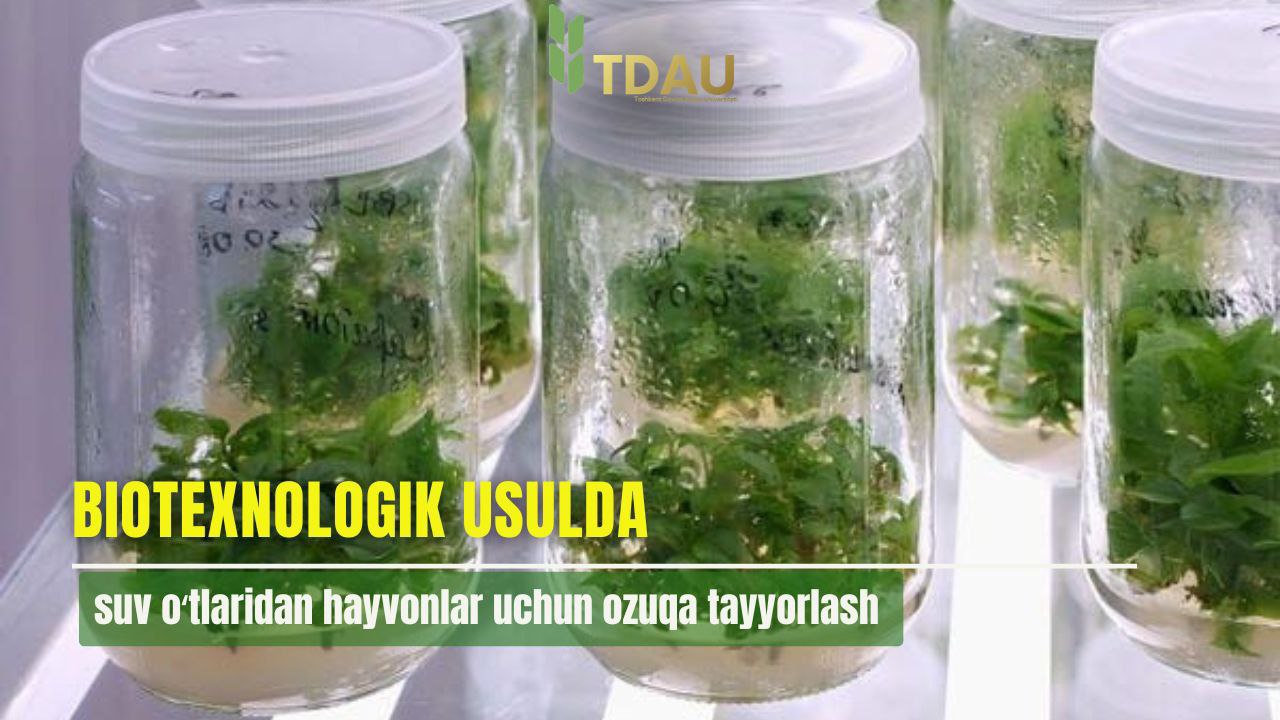
Aquatic plants, also known as algae, are a nutritious and valuable source of feed for animals. They are rich in protein, vitamins, amino acids, and minerals, which help improve the growth and productivity of livestock. Using biotechnological methods to cultivate aquatic plants and process them into feed is an affordable and effective approach. To cultivate aquatic plants, special ponds, water reservoirs, or laboratory conditions with favorable environments are used. The most commonly used aquatic plants are Spirulina and Chlorella, which grow rapidly and are nutritionally rich. Light, temperature, and mineral content in the water are important factors for cultivation. The optimal temperature is 20–30°C, and the water must contain sufficient nitrogen, phosphorus, and other nutrients. Under these conditions, aquatic plants can produce a large biomass in a short period of time. Once the aquatic plants have sufficiently grown, they are harvested through filtration or sedimentation. The harvested biomass can be dried or added to feed mixtures in a wet form. Dried feed is convenient for long-term storage and transportation. Feed prepared from aquatic plants can be used as a supplementary feed for livestock. This feed is nutritious for cattle, sheep, goats, poultry, and fish, accelerating growth, increasing productivity, and improving feed utilization efficiency. Additionally, feed made from aquatic plants is environmentally friendly and cost-effective, and helps reduce agricultural waste. In conclusion, animal feed prepared from aquatic plants using biotechnological methods serves as a high-quality, efficient, and affordable feed source for livestock. Farmers and livestock breeders are advised to implement the cultivation of aquatic plants and their use as feed in practice.
Social networks:


