


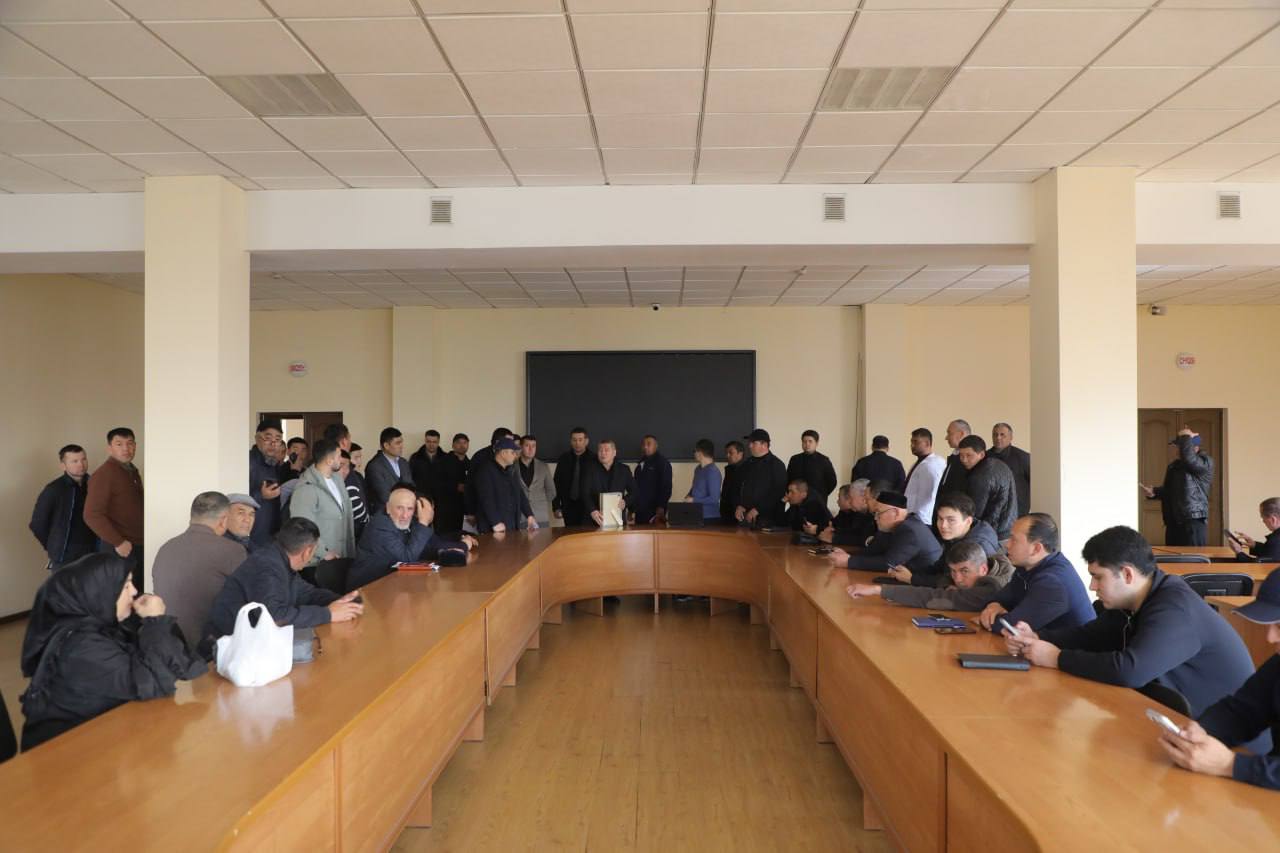
To ensure the implementation of the Decree of the President of the Republic of Uzbekistan No. UP–5853 dated October 23, 2019, Tashkent State Agrarian University (TSAU) organized a one-week (36-hour) professional development course for managers and specialists operating in the fisheries and rice farming sectors of the Tashkent region. During the courses, participants strengthened their theoretical and practical knowledge regarding the science-based organization of production, the integration of modern machinery and technologies into manufacturing processes, and advanced practices aimed at increasing sectoral efficiency. The educational process included lectures and practical sessions conducted by the university's professors and teaching staff. Upon completion of the final assessment, the participants demonstrated their knowledge and skills, successfully finishing the curriculum and receiving relevant certificates. Background Information: Currently, promising scientific and practical work is being carried out in the republic to increase rice production, introduce modern resource- and water-saving technologies, and develop new varieties resistant to salinity and drought. It has been scientifically proven and implemented that the use of resource-saving technologies significantly reduces seed consumption: compared to the traditional rate (180 kg/ha), 125 kg of seeds are saved using the seedling method, and up to 70 kg are saved when using modern seeders. Consequently, over the past five years, average yields have increased by 1.5 tons per hectare, with leading farms achieving yields of 8.0–10.0 tons/ha.
In 2025, rice was planted on 65,300 hectares of primary land across the regions. Of this, 44,400 hectares (68%) underwent laser leveling, and 46,100 hectares (70%) were sown using modern seeders. Additionally, rice was cultivated on 97,100 hectares of secondary cropping areas. According to projections, the demand for rice in the republic is expected to reach nearly 400,000 tons by 2030, representing a 112% increase. This underscores the necessity for further development of rice farming and related sectors.
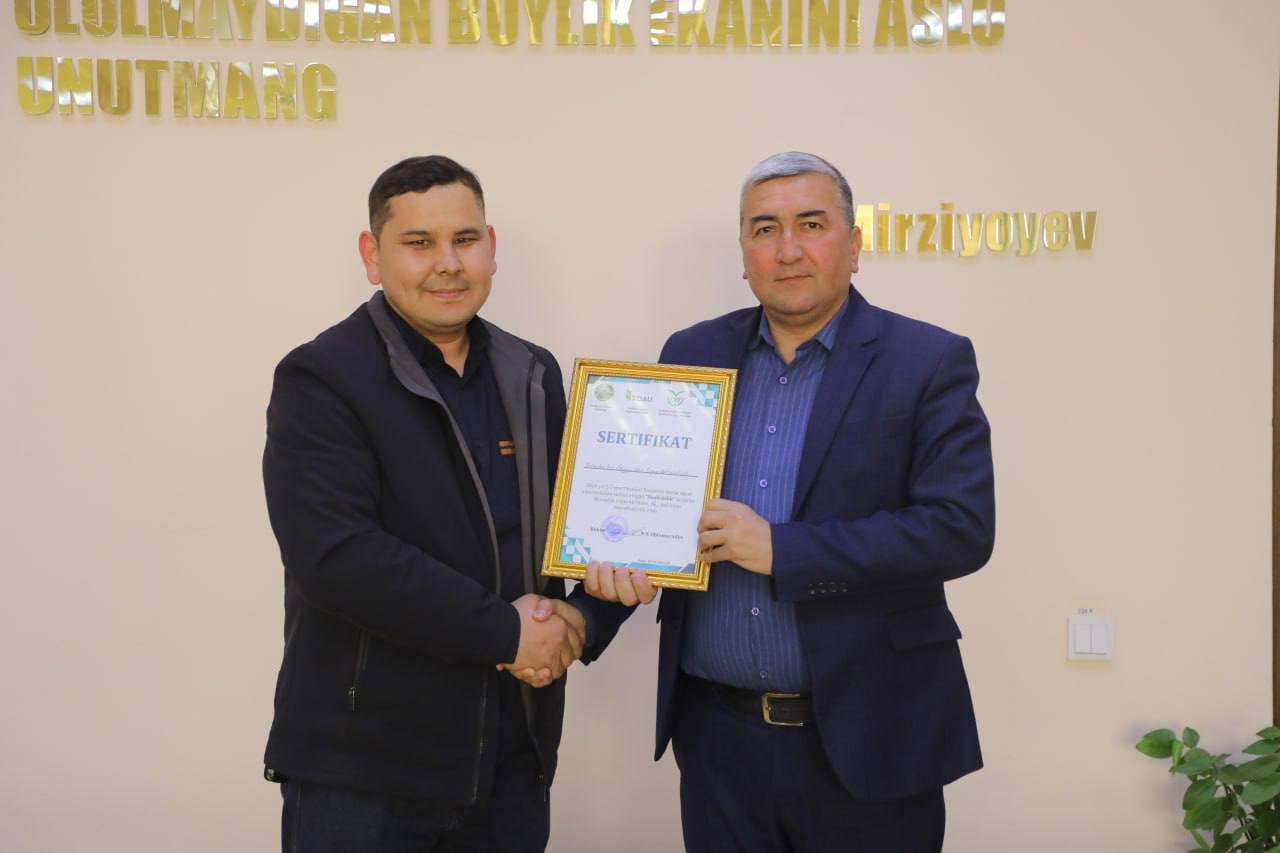
These training courses serve as one of TSAU's vital initiatives in training agricultural specialists, bridging the gap between scientific achievements and practical application, and effectively developing agricultural sectors in the regions.
Social networks: